Appendix B. Survey of Regulators, Consultants, and Stakeholders
B.1 Introduction
The web-based survey was conducted using Survey Monkey and opened on November 30, 2010 and remained open until August 14, 2011. It was first circulated among ITRC State Points of Contact (POCs) who are state regulators ITRC Board members from the Dept. of Energy, Dept. of Defense, USEPA, Industry Affiliate Members, and public and tribal stakeholders. A request was included with the circulation that the survey be distributed within these organizations to anyone with an interest in or experience with EMDs. The target audience for the survey included regulators (e.g., project managers, executive staff, and administrators of state/agency-funded cleanup programs), regulatory agency consultants, and ITRC industry affiliates program members.
 Read more
The survey contained four parts: Introduction, Respondent Information, Technical Questions, Training Interest and Needs. The goals for this survey were to identify the following:
- Current use and level of interest in various EMDs
- Regulatory and other constraints or barriers to using EMDs
- Training needs of potential EMD end users
- Respondents who have experience with EMDs and may be willing to share case studies with a wider audience
The survey results revealed the following:
- Genuine potential exists for EMDs to contribute towards regulatory decision.
- Most EMDs are new to many regulators.
- Although a new area, most regulators expressed a willingness to be trained on EMDs.
- The state of the art is evolving; a need exists for a resource for people to learn more about EMDs.
- Some regulatory issues are unresolved regarding implementation at sites.
B.2 Evaluation of Survey Results
- 90 people started the survey; 78 completed it.
- As seen in Figure B-1, 60% were regulators, and 21% were consultants.
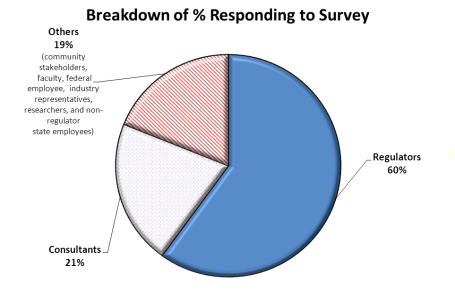
Figure B-1. Survey participants by profession.
- 29 states were represented (see Figure B-2): AK, AL,CA, CO, DE, FL, GA, IL KS, MA, MD, MI MO NC, NE, NH, NV, NY, OH, OK, OR, PA, RI, SC, SD, TX, VA, WV, WY.
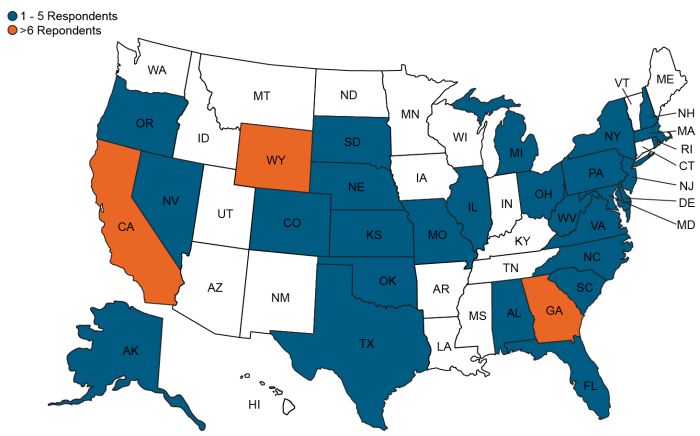
Figure B-2. States with participants in the EMD Survey.
- Regulator participation
- 2 federal staff; neither reported having EMD experience.
- 54 state staff; 4 reported having EMD experience.
- Familiarity with EMDs (see Figure B-3)
- 34.5% familiar with CSIA
- 34.5% familiar with PCR
- 24.1% familiar with Fingerprinting Methods
- 18.4% SIP
- 14.9% FISH
- 11.5% Microarray analysis
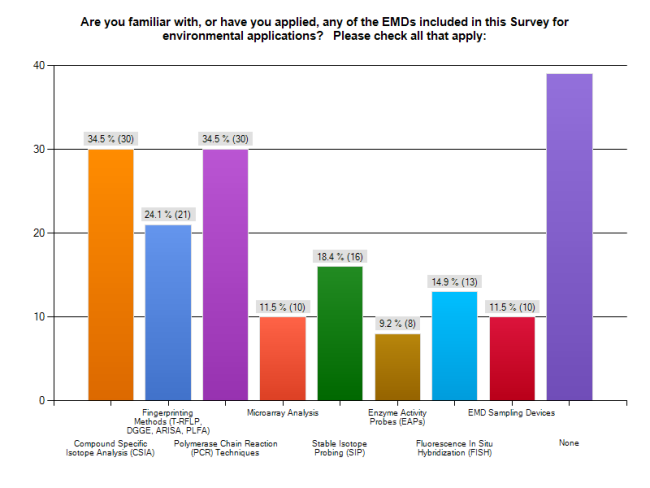
Figure B-3. Percentage of respondents reporting familiarity with EMDs (figure generated from Survey Monkey results).
- EMD Application ─ almost 66% of survey participants reported having no experience with EMDs (see Figure B-4).
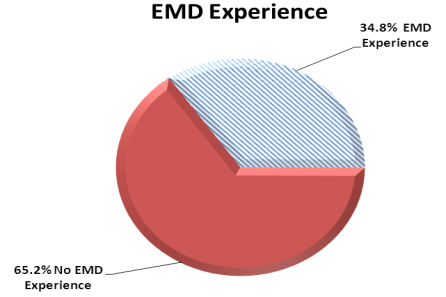
Figure B-4. Percentage of respondents with EMD experience.
- Potential barriers, ways to increase confidence and the number of people/number of sites where EMDs have been used.
Table B-1. Summary information for survey results
|
Method |
Barriers that prevent use of EMDs |
Ways to increase confidence |
Number of sites where EMDs have been used by survey respondents |
|---|---|---|---|
|
Compound Specific Isotope Analysis (CSIA) |
|
|
|
|
Fingerprinting Methods (T-RFLP, DGGE, ARISA, PLFAPhospholipid fatty acids derived from the two hydrocarbon tails of phospholipids.)
|
|
|
|
|
Polymerase Chain Reaction (PCR) Techniques
|
|
|
|
|
Microarray Analysis
|
|
|
|
|
Stable Isotope Probing (SIP)
|
|
|
|
|
Enzyme Activity Probes (EAPs)
|
|
|
|
|
Fluorescence In Situ Hybridization (FISH)
|
|
|
|
|
EMD Sampling Devices |
|
|
|
B.3 Training Needs
The highlights of the results for the training needs questions on the survey include:
- 80.6% described EMD training needs at their agency or organization from moderate to very extensive. Only 19.5% of the survey respondents expressed training needs as “not very extensive”.
- The majority of those that participated thought that basic sciences information should be a part of the EMD training program.
- Most thought that their agency or organization would benefit from training on specific EMDs. See Figure B-5 for details.
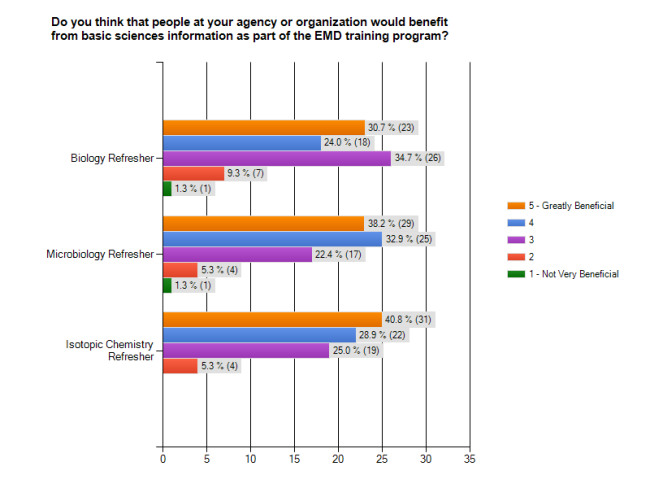
Figure B-5. Summary of training needs (figure generated from Survey Monkey results).
Publication Date: April 2013